Cleaning Insulated Ductwork: Internal vs External Systems
Insulated ductwork is common in commercial HVAC systems and plays an important role in energy efficiency, noise control, and overall system performance. Like any air distribution system, insulated ductwork collects dust, debris, and airborne contaminants over time. Professional duct cleaning helps maintain airflow, protects indoor air quality, and keeps HVAC systems operating efficiently.
Understanding the difference between internal and external insulation is key to knowing how insulated ductwork is properly cleaned.
Cleaning Ductwork with External Insulation
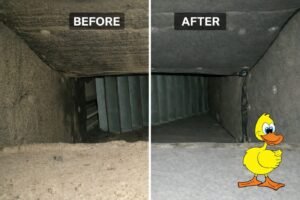
Ductwork with external insulation is cleaned using the same professional source removal duct cleaning process as standard duct systems. Because the insulation is located on the outside of the duct, internal cleaning methods remain consistent.
The difference comes after the cleaning is complete. Access points are sometimes required to properly clean the system. Once cleaning is finished, any openings that were installed are sealed and secured. Insulation is reinstalled wherever necessary, gaps are closed, and the ductwork is returned to a fully sealed and insulated condition.
This step is critical. Proper sealing prevents air loss, protects system efficiency, and ensures the insulation continues to perform as designed. Efficiency and attention to detail during this phase are what separate professional duct cleaning from incomplete work.
Cleaning Ductwork with Internal Insulation
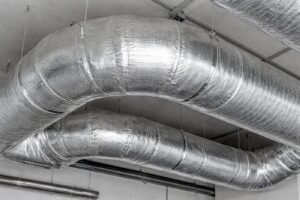
Internally insulated ductwork requires a more specialized approach. Because the insulation lines the interior of the duct, cleaning methods must remove debris without damaging the insulation surface.
We clean internally insulated ductwork using purpose built plastic agitation tools designed to safely loosen dust and contaminants. These tools apply controlled mechanical agitation that flexes and taps the insulation rather than scraping or tearing it. This allows embedded debris to be released while maintaining the integrity of the duct liner.
As contaminants are dislodged, they are immediately captured using high powered vacuum collection equipment. This source removal process ensures debris is fully removed from the system instead of being redistributed through the ductwork.
The result is a thorough cleaning that preserves airflow, protects insulation, and restores system performance.
Why Proper Methods Matter
Insulated ductwork cannot be approached with guesswork. Using incorrect techniques can damage insulation, reduce airflow, and shorten the life of the HVAC system. Professional commercial duct cleaning accounts for the type of insulation present and applies the appropriate method every time.
External insulation requires precise access work and restoration. Internal insulation requires controlled agitation and specialized tools. Both demand trained technicians and proven processes.
When Insulated Ductwork Should Be Cleaned
Insulated ductwork should be cleaned when debris buildup is visible, airflow is reduced, or indoor air quality concerns arise. Routine duct cleaning helps improve system efficiency, reduce strain on HVAC components, and support healthier indoor environments in commercial and industrial facilities.
In most cases, insulated ductwork can be cleaned effectively when proper methods are used. A professional inspection ensures the correct approach is taken from the start.
Let Our Team Handle Your Duct Cleaning Needs
Insulated ductwork is not a limitation. It simply requires experience, precision, and the right equipment. Whether insulation is external or internal, professional duct cleaning ensures HVAC systems remain efficient, clean, and properly sealed. We are a NADCA certified company and the largest duct cleaning company in the Midwest.
CLICK HERE to contact our team and schedule a professional inspection.