Why Spring Is the Perfect Time to Check Your Attic
As winter fades and temperatures begin to rise, spring is the ideal time to take a closer look at your attic. Months of snow, ice, and cold weather can quietly cause issues above your ceiling that go unnoticed until they become major problems. Moisture, insulation concerns, and even unwanted wildlife may have made themselves at home during the colder months. A quick attic inspection now can help you catch these issues early, protect your indoor air quality, and prevent costly damage later in the year.

Watch for Hidden Mold After Winter Moisture
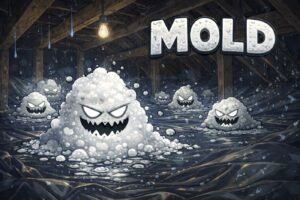
Winter can create the perfect conditions for mold growth in an attic. Small roof leaks, condensation from poor ventilation, or ice damming can introduce moisture that sits undisturbed for months. Because attics are typically dark and poorly ventilated, that dampness can quickly turn into a breeding ground for mold as temperatures begin to warm. Mold growth in an attic doesn’t just stay above your ceiling — spores can circulate through your HVAC system and affect the air quality throughout your home or building. During a spring inspection, it’s important to look for discoloration on wood surfaces, musty odors, damp insulation, or visible fungal growth. Identifying these warning signs early allows professionals to safely address mold before it spreads further.
Check Insulation for Vermiculite and Other Concerns
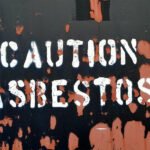
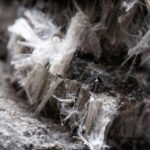
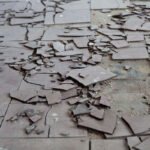
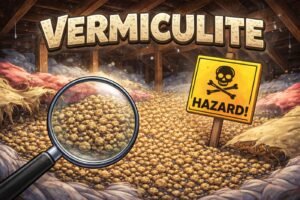
Spring is also a good time to evaluate the type and condition of insulation in your attic. Some older homes still contain vermiculite insulation, which was commonly installed decades ago. Certain vermiculite sourced from specific mines has been associated with asbestos contamination. Because of this, specialized programs and trusts exist that may help cover part of the cost of safe removal and remediation in qualifying situations. One example of this is the Zonolite Attic Insulation Trust that pays 55% of the removal from vermiculite originating from the Libby Mine in Montana. If your attic insulation looks like small pebble-like pellets, it’s worth having a professional evaluate it before disturbing the material. In addition to vermiculite, insulation can also shift, settle, or become compressed over time, reducing its effectiveness. Ensuring your insulation is safe and properly performing helps maintain energy efficiency and protects the overall health of your home.
Look for Evidence of Critters and Their Mess
When temperatures drop, attics become a popular shelter for wildlife looking to escape the cold. Squirrels, mice, raccoons, bats, birds, and other critters often find their way inside through small roof gaps or vents. While they may leave once warmer weather arrives, they rarely leave without a mess. Signs of animal activity can include droppings, nesting materials, urine contamination, chewed wiring, torn insulation, food scraps, feathers, fur, and debris dragged in from outside. You may also find damaged ductwork, scratched wood, or strong odors caused by animal waste buildup. These contaminants can impact indoor air quality and create unsanitary conditions inside your attic. Professional cleanup services can safely remove animal waste, sanitize affected areas, and help restore the attic environment.

A Simple Inspection Now Can Prevent Bigger Problems Later
Your attic plays a major role in protecting your home’s structure, insulation performance, and indoor air quality. Taking time to inspect it after winter can reveal issues that may otherwise go unnoticed until they become costly repairs. Mold growth, insulation concerns, and wildlife contamination are all common problems that are much easier to address when caught early. Click Here to Contact Us Today!